Business Name: BeeHive Homes of Gallup
Address: 600 Gurley Ave, Gallup, NM 87301
Phone: (505) 591-7024
BeeHive Homes of Gallup
Beehive Homes of Gallup assisted living care is ideal for those who value their independence but require help with some of the activities of daily living. Residents enjoy 24-hour support, private bedrooms with baths, medication monitoring, home-cooked meals, housekeeping and laundry services, social activities and outings, and daily physical and mental exercise opportunities. Beehive Homes memory care services accommodates the growing number of seniors affected by memory loss and dementia. Beehive Homes offers respite (short-term) care for your loved one should the need arise. Whether help is needed after a surgery or illness, for vacation coverage, or just a break from the routine, respite care provides you peace of mind for any length of stay.
600 Gurley Ave, Gallup, NM 87301
Business Hours
Monday thru Sunday: 9:00am to 5:00pm
TikTok: https://www.tiktok.com/@beehivehomesgallup
YouTube: https://www.youtube.com/@WelcomeHomeBeeHiveHomes
Facebook: https://www.facebook.com/beehivehomesgallup
Instagram: https://www.instagram.com/beehivehomesofgallup/
Families generally pertain to memory care after months, sometimes years, of handling small modifications that turn into huge risks: a range left on, a fall at night, the abrupt stress and anxiety of not acknowledging a familiar corridor. Excellent dementia care does not begin with technology or architecture. It starts with respect for an individual's rhythm, preferences, and dignity, then utilizes thoughtful design and practice to keep that person engaged and safe. The very best assisted living communities that specialize in memory care keep this at the center of every choice, from door hardware to everyday schedules.
The last decade has actually brought consistent, useful improvements that can make life calmer and more significant for residents. Some are subtle, the angle of a handrail that prevents leaning, or the color of a restroom floor that decreases errors. Others are programmatic, such as short, regular activity obstructs rather of long group sessions, or meal menus that adjust to altering motor capabilities. Much of these concepts are simple to adopt in the house, which matters for families utilizing respite care or supporting a loved one in between sees. What follows is a close look at what works, where it assists most, and how to weigh alternatives in senior living.
Safety by Style, Not by Restraint
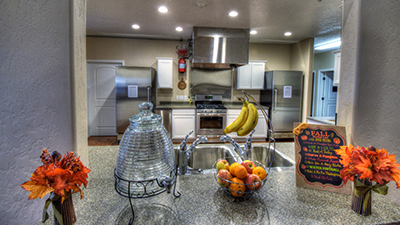
A secure environment does not need to feel locked down. The first objective is to decrease the chance of harm without removing liberty. That begins with the layout. Short, looping passages with visual landmarks help a resident find the dining room the same method every day. Dead ends raise aggravation. Loops reduce it. In small-house designs, where 10 to 16 citizens share a common location and open kitchen, staff can see more of the environment at a glance, and citizens tend to mirror one another's regimens, which stabilizes the day.
Lighting is the next lever. Older eyes require more light, and dementia enhances level of sensitivity to glare and shadow. Overhead components that spread out even, warm illumination cut down on the "great void" illusion that dark doorways can develop. Motion-activated path lights help at night, particularly in the three hours after midnight when lots of homeowners wake to utilize the restroom. In one building I dealt with, changing cool blue lights with 2700 to 3000 Kelvin bulbs and adding constant under-cabinet lighting in the cooking area minimized nighttime falls by a third over 6 months. That was not a randomized trial, however it matched what staff had actually observed for years.
Color and contrast matter more than design magazines suggest. A white toilet on a white floor can disappear for someone with depth perception changes. A slow, non-slip, mid-tone floor, a clearly contrasted toilet seat, and a solid shower chair boost confidence. Avoid patterned floorings that can appear like challenges, and avoid shiny surfaces that mirror like puddles. The objective is to make the appropriate choice obvious, not to force it.
Door choices are another peaceful development. Instead of concealing exits, some communities reroute attention with murals or a resident's memory box positioned close by. A memory box, the size of respite care a shadow frame, holds individual products and photos that cue identity and orient someone to their room. It is not decoration. It is a lighthouse. Simple door hardware, lever rather than knob, assists arthritic hands. Delaying opening with a quick, staff-controlled time lock can give a group adequate time to engage an individual who wants to stroll outside without developing the feeling of being trapped.
Finally, believe in gradients of security. A totally open courtyard with smooth strolling paths, shaded benches, and waist-high plant beds invites movement without the dangers of a parking area or city pathway. Include sightlines for personnel, a few gates that are staff-keyed, and a paved loop wide enough for 2 walkers side by side. Motion diffuses agitation. It likewise protects muscle tone, appetite, and mood.
Calming the Day: Rhythms, Not Rigid Schedules
Dementia impacts attention span and tolerance for overstimulation. The best day-to-day strategies respect that. Instead of two long group activities, believe in blocks of 15 to 40 minutes that stream from one to the next. An early morning might start with coffee and music at individual tables, transition to a brief, directed stretch, then an option in between a folding laundry station or an art table. These are not busywork. They are familiar jobs with a function that aligns with past roles.
A resident who worked in a workplace might settle with a basket of envelopes to sort and stamps to place. A former carpenter may sand a soft block of wood or put together safe PVC pipeline puzzles. Somebody who raised children may match child clothes or organize small toys. When these choices show an individual's history, involvement rises, and agitation drops.
Meal timing is another rhythm lever. Hunger modifications with illness stage. Using two lighter breakfasts, separated by an hour, can increase total intake without forcing a big plate at the same time. Finger foods eliminate the barrier of utensils when tremblings or motor planning make them frustrating. A turkey and cranberry slider can provide the very same nutrition as a plated roast when cut correctly. Foods with color contrast are much easier to see, so blueberries in oatmeal or a slice of tomato next to an egg improves both appeal and independence.
Sundowning, the late afternoon swell of confusion or stress and anxiety, deserves its own strategy. Dimmer rooms, loud televisions, and loud hallways make it worse. Staff can preempt it by moving to tactile activities in better, calmer spaces around 3 p.m., and by timing a snack with protein and hydration around the same hour. Families typically assist by visiting at times that fit the resident's energy, not the family's benefit. A 20-minute visit at 10 a.m. for a morning individual is much better than a 60-minute visit at 5 p.m. that triggers a meltdown.
Technology That Quietly Helps
Not every device belongs in memory care. The bar is high: it should lower danger or increase quality of life without adding a layer of confusion. A few classifications pass the test.
Passive motion sensing units and bed exit pads can notify staff when somebody gets up at night. The best systems discover patterns gradually, so they do not alarm whenever a resident shifts. Some communities connect restroom door sensing units to a soft light hint and a personnel notice after a timed period. The point is not to race in, but to examine if a resident needs assist dressing or is disoriented.
Wearable devices have blended outcomes. Step counters and fall detectors help active residents going to use them, particularly early in the illness. In the future, the gadget ends up being a foreign things and may be gotten rid of or adjusted. Area badges clipped quietly to clothing are quieter. Personal privacy concerns are real. Households and neighborhoods need to agree on how information is utilized and who sees it, then revisit that agreement as requirements change.
Voice assistants can be beneficial if placed smartly and configured with rigorous privacy controls. In private rooms, a device that responds to "play Ella Fitzgerald" or "what time is supper" can decrease repetitive questions to staff and ease solitude. In typical areas, they are less successful since cross-talk confuses commands. The increase of clever induction cooktops in demonstration kitchens has also made cooking programs much safer. Even in assisted living, where some residents do not require memory care, induction cuts burn danger while allowing the pleasure of preparing something together.
The most underrated technology remains environmental control. Smart thermostats that prevent huge swings in temperature, motorized blinds that keep glare consistent, and lighting systems that move color temperature across the day support body clock. Personnel discover the distinction around 9 a.m. and 7 p.m., when homeowners settle more easily. None of this changes human attention. It extends it.
Training That Sticks
All the style on the planet fails without skilled individuals. Training in memory care should exceed the illness fundamentals. Staff need useful language tools and de-escalation techniques they can use under stress, with a focus on in-the-moment problem fixing. A few principles make a reputable backbone.
Approach counts more than content. Standing to the side, moving at the resident's speed, and providing a single, concrete cue beats a flurry of directions. "Let's attempt this sleeve first" while carefully tapping the right lower arm accomplishes more than "Put your shirt on." If a resident refuses, circling back in 5 minutes after resetting the scene works better than pressing. Aggressiveness often drops when personnel stop attempting to argue truths and rather validate feelings. "You miss your mother. Inform me her name," opens a course that "Your mother passed away thirty years ago" shuts.
Good training utilizes role-play and feedback. In one neighborhood, new hires practiced rerouting a coworker impersonating a resident who wanted to "go to work." The best reactions echoed the resident's career and redirected toward a related job. For a retired instructor, personnel would say, "Let's get your classroom all set," then walk toward the activity room where books and pencils were waiting. That kind of practice, duplicated and strengthened, develops into muscle memory.
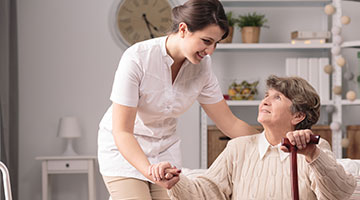
Trainees also need assistance in principles. Balancing autonomy with safety is not easy. Some days, letting somebody walk the courtyard alone makes sense. Other days, fatigue or heat makes it a poor option. Personnel ought to feel comfy raising the trade-offs, not just following blanket guidelines, and supervisors should back judgment when it comes with clear thinking. The outcome is a culture where homeowners are treated as grownups, not as tasks.
Engagement That Suggests Something
Activities that stick tend to share three qualities: they recognize, they utilize numerous senses, and they offer a possibility to contribute. It is appealing to fill a calendar with occasions that look good in pictures. Families take pleasure in seeing a smiling group in matching hats, and from time to time a party does raise everyone. Daily engagement, though, typically looks quieter.
Music is a trusted anchor. Personalized playlists, constructed from a resident's teens and twenties, take advantage of preserved memory pathways. An earphone session of 10 minutes before bathing can change the entire experience. Group singing works best when song sheets are unneeded and the tunes are deeply understood. Hymns, folk standards, or regional favorites carry more power than pop hits, even if the latter feel present to staff.
Food, dealt with securely, provides limitless entry points. Shelling peas, kneading dough, slicing soft fruit with a safe knife, or rolling meatballs connects hands and nose to memory. The aroma of onions in butter is a stronger cue than any poster. For homeowners with advanced dementia, just holding a warm mug and breathing in can soothe.
Outdoor time is medication. Even a little patio transforms mood when utilized consistently. Seasonal routines assist, planting herbs in spring, gathering tomatoes in summertime, raking leaves in fall. A resident who lived his entire life in the city might still take pleasure in filling a bird feeder. These acts validate, I am still needed. The feeling outlives the action.
Spiritual care extends beyond formal services. A peaceful corner with a bible book, prayer beads, or a simple candle for reflection respects diverse customs. Some citizens who no longer speak in full sentences will still whisper familiar prayers. Staff can find out the basics of a few customs represented in the community and cue them respectfully. For locals without spiritual practice, secular rituals, reading a poem at the exact same time each day, or listening to a specific piece of music, provide comparable structure.
Measuring What Matters
Families often request numbers. They deserve them. Falls, weight modifications, healthcare facility transfers, and psychotropic medication usage are standard metrics. Neighborhoods can add a couple of qualitative procedures that reveal more about quality of life. Time spent outdoors per resident each week is one. Frequency of meaningful engagement, tracked simply as yes or no per shift with a quick note, is another. The objective is not to pad a report, however to guide attention. If afternoon agitation increases, look back at the week's light direct exposure, hydration, and personnel ratios at that hour. Patterns emerge quickly.
Resident and household interviews add depth. Ask households, did you see your mother doing something she liked today? Ask citizens, even with limited language, what made them smile today. When the answer is "my daughter went to" three days in a row, that informs you to arrange future interactions around that anchor.
Medications, Habits, and the Middle Path
The severe edge of dementia appears in behaviors that scare families: shouting, getting, sleepless nights. Medications can help in particular cases, but they bring risks, especially for older grownups. Antipsychotics, for instance, increase stroke danger and can dull quality of life. A mindful process begins with detection and documents, then environmental modification, then non-drug techniques, then targeted, time-limited medication trials with clear objectives and regular reassessment.
Staff who understand a resident's baseline can frequently spot triggers. Loud commercials, a certain staff method, pain, urinary tract infections, or irregularity lead the list. A simple pain scale, adapted for non-verbal signs, captures many episodes that would otherwise be identified "resistance." Treating the discomfort eases the habits. When medications are utilized, low doses and defined stop points minimize the opportunity of long-lasting overuse. Households need to expect both candor and restraint from any senior living company about psychotropic prescribing.
Assisted Living, Memory Care, and When to Choose Respite
Not every person with dementia needs a locked unit. Some assisted living communities can support early-stage citizens well with cueing, housekeeping, and meals. As the illness progresses, specialized memory care includes value through its environment and personnel proficiency. The compromise is generally cost and the degree of flexibility of movement. A truthful assessment takes a look at safety events, caretaker burnout, wandering risk, and the resident's engagement in the day.
Respite care is the overlooked tool in this series. A scheduled stay of a week to a month can support regimens, offer medical tracking if required, and give household caretakers real rest. Excellent neighborhoods utilize respite as a trial period, introducing the resident to the rhythms of memory care without the pressure of a long-term move. Families find out, too, observing how their loved one responds to group dining, structured activities, and different sleeping patterns. A successful respite stay often clarifies the next action, and when a return home makes sense, personnel can recommend ecological tweaks to carry forward.
Family as Partners, Not Visitors
The finest outcomes happen when families remain rooted in the care strategy. Early on, households can fill a "life story" file with more than generalities. Specifics matter. Not "loved music," however "sang alto in the Bethany choir, 1962 to 1970." Not "worked in financing," but "accountant who stabilized the ledger by hand every Friday." These information power engagement and de-escalation.
Visiting patterns work better when they fit the individual's energy and lower transitions. Call or video chats can be short and frequent instead of long and unusual. Bring items that link to previous functions, a bag of sorted coins to roll, recipe cards in familiar handwriting, a baseball radio tuned to the home group. If a visit raises agitation, reduce it and shift the time, instead of pushing through. Personnel can coach families on body language, using fewer words, and using one choice at a time.
Grief is worthy of a location in the collaboration. Households are losing parts of a person they love while likewise managing logistics. Communities that acknowledge this, with month-to-month support system or individually check-ins, foster trust. Simple touches, a team member texting a photo of a resident smiling during an activity, keep families linked without varnish.
The Small Innovations That Add Up
A few practical modifications I have actually seen pay off across settings:

- Two clocks per room, one analog with dark hands on a white face, one digital with the day and date spelled out, minimize recurring "what time is it" concerns and orient locals who check out better than they calculate. A "busy box" kept by the front desk with scarves to fold, old postcards to sort, a deck of large-print cards, and a soft brush for simple grooming jobs uses instant redirection for someone anxious to leave. Weighted lap blankets in typical spaces lower fidgeting and provide deep pressure that soothes, especially throughout movies or music sessions. Soft, color-coded tableware, red for lots of residents, increases food consumption by making portions noticeable and plates less slippery. Staff name tags with a large given name and a single word about a pastime, "Maria, baking," humanize interactions and stimulate conversation.
None of these requires a grant or a remodel. They require attention to how individuals actually move through a day.
Designing for Self-respect at Every Stage
Advanced dementia difficulties every system. Language thins, mobility fades, and swallowing can falter. Dignity stays. Rooms need to adapt with hospital-grade beds that look residential, not institutional. Ceiling raises extra backs and bruised arms. Bathing shifts to a warmth-first approach, with towels preheated and the space set up before the resident goes into. Meals stress enjoyment and security, with textures adjusted and tastes maintained. A puréed peach served in a little glass bowl with a sprig of mint reads as food, not as medicine.
End-of-life care in memory units benefits from hospice collaborations. Combined groups can treat pain aggressively and support families at the bedside. Personnel who have known a resident for several years are typically the very best interpreters of subtle cues in the last days. Routines assist here, too, a peaceful tune after a passing, a note on the neighborhood board honoring the individual's life, consent for personnel to grieve.
Cost, Gain access to, and the Realities Households Face
Innovations do not eliminate the truth that memory care is costly. In many areas of the United States, private-pay rates range from the mid four figures to well above 10 thousand dollars per month, depending on care level and place. Medicare does not cover space and board in assisted living or memory care. Medicaid waivers can help in some states, but slots are minimal and waitlists long. Long-lasting care insurance can balance out expenses if purchased years previously. For families floating between alternatives, combining adult day programs with home care can bridge time till a move is required. Respite stays can likewise extend capacity without committing too early to a full transition.
When touring communities, ask particular concerns. How many locals per team member on day and night shifts? How are call lights kept an eye on and escalated? What is the fall rate over the previous quarter? How are psychotropic medications examined and minimized? Can you see the outdoor area and view a mealtime? Unclear responses are a sign to keep looking.
What Progress Looks Like
The best memory care neighborhoods today feel less like wards and more like neighborhoods. You hear music tuned to taste, not a radio station left on in the background. You see homeowners moving with function, not parked around a tv. Personnel usage first names and gentle humor. The environment pushes instead of dictates. Family pictures are not staged, they are lived in.
Progress comes in increments. A restroom that is easy to browse. A schedule that matches a person's energy. An employee who knows a resident's college battle tune. These information add up to security and joy. That is the real development in memory care, a thousand small options that honor an individual's story while meeting the present with skill.
For households browsing within senior living, consisting of assisted living with dedicated memory care, the signal to trust is basic: view how individuals in the room take a look at your loved one. If you see persistence, curiosity, and respect, you have most likely found a location where the developments that matter a lot of are currently at work.
BeeHive Homes of Gallup provides assisted living care
BeeHive Homes of Gallup provides memory care services
BeeHive Homes of Gallup provides respite care services
BeeHive Homes of Gallup supports assistance with bathing and grooming
BeeHive Homes of Gallup offers private bedrooms with private bathrooms
BeeHive Homes of Gallup provides medication monitoring and documentation
BeeHive Homes of Gallup serves dietitian-approved meals
BeeHive Homes of Gallup provides housekeeping services
BeeHive Homes of Gallup provides laundry services
BeeHive Homes of Gallup offers community dining and social engagement activities
BeeHive Homes of Gallup features life enrichment activities
BeeHive Homes of Gallup supports personal care assistance during meals and daily routines
BeeHive Homes of Gallup promotes frequent physical and mental exercise opportunities
BeeHive Homes of Gallup provides a home-like residential environment
BeeHive Homes of Gallup creates customized care plans as residents’ needs change
BeeHive Homes of Gallup assesses individual resident care needs
BeeHive Homes of Gallup accepts private pay and long-term care insurance
BeeHive Homes of Gallup assists qualified veterans with Aid and Attendance benefits
BeeHive Homes of Gallup encourages meaningful resident-to-staff relationships
BeeHive Homes of Gallup delivers compassionate, attentive senior care focused on dignity and comfort
BeeHive Homes of Gallup has a phone number of (505) 591-7024
BeeHive Homes of Gallup has an address of 600 Gurley Ave, Gallup, NM 87301
BeeHive Homes of Gallup has a website https://beehivehomes.com/locations/gallup/
BeeHive Homes of Gallup has Google Maps listing https://maps.app.goo.gl/iMEbZo7VyH1tHATP9
BeeHive Homes of Gallup has TikTok page https://www.tiktok.com/@beehivehomesgallup
BeeHive Homes of Gallup has an YouTube page https://www.youtube.com/@WelcomeHomeBeeHiveHomes
BeeHive Homes of Gallup has Facebook page https://www.facebook.com/beehivehomesgallup
BeeHive Homes of Gallup has Instagram page https://www.instagram.com/beehivehomesofgallup/
BeeHive Homes of Gallup won Top Assisted Living Homes 2025
BeeHive Homes of Gallup earned Best Customer Service Award 2024
BeeHive Homes of Gallup placed 1st for Senior Living Communities 2025
People Also Ask about BeeHive Homes of Gallup
What is BeeHive Homes of Gallup Living monthly room rate?
The rate depends on the level of care that is needed. We do a pre-admission evaluation for each resident to determine the level of care needed. The monthly rate is based on this evaluation. There are no hidden costs or fees
Can residents stay in BeeHive Homes of Gallup until the end of their life?
Usually yes. There are exceptions, such as when there are safety issues with the resident, or they need 24 hour skilled nursing services
Do we have a nurse on staff?
No, but each BeeHive Home has a consulting Nurse available 24 – 7. if nursing services are needed, a doctor can order home health to come into the home
What are BeeHive Homes of Gallup's visiting hours?
Our visiting hours are currently under restriction by the state health officials. Limited visitation is still allowed but must be scheduled during regular business hours. Please contact us for additional and up-to-date information about visitation
Do we have couple’s rooms available?
Yes, each home has rooms designed to accommodate couples. Please ask about the availability of these rooms
Where is BeeHive Homes of Gallup located?
BeeHive Homes of Gallup is conveniently located at 600 Gurley Ave, Gallup, NM 87301. You can easily find directions on Google Maps or call at (505) 591-7024 Monday through Sunday 9:00am to 5:00pm
How can I contact BeeHive Homes of Gallup?
You can contact BeeHive Homes of Gallup by phone at: (505) 591-7024, visit their website at https://beehivehomes.com/locations/gallup/ or connect on social media via TikTok Facebook or YouTube
Ford Canyon/Veterans Park provides walking paths and scenic canyon views suitable for assisted living and elderly care residents during calm respite care outings.